

Review of the Bear Brook podcast rating *****
I cover a lot of true crime on this site. The stories I write about come in every format—books, films, documentaries, and podcasts. But I’ve never covered a story that involves the level of evil found in Bear Brook. It’s a case so disturbing that I’ll never look at another missing child case the same way again.
Stories involving murder take years to develop. First there is the mystery of the crime itself. Then comes the investigation, the trial, and the long tail of follow‑up. None of this happens overnight. Bear Brook is unusual because the initial podcast ended with no resolution. Two bodies were found stuffed into a steel barrel in Bear Brook State Park in Allenstown, New Hampshire, in 1985. Fifteen years later, after a cold‑case detective decided to take another look, a second barrel was discovered just 300 feet from the first. Inside were two more bodies. The victims were an adult woman and three children ranging in age from about one year old to 7 years old.
The initial podcast, released in 2018, consisted of eight episodes. By the end of that run, listeners knew the name of the killer—but not the names of the victims.
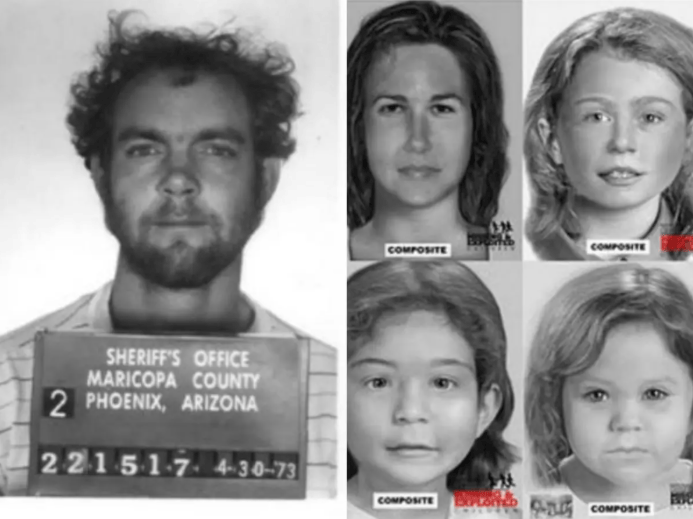
To crack the case, investigators and experts in genetic genealogy used DNA to identify the killer as Terry Peder Rasmussen. They knew this because one of the victims—the so‑called “middle child”—was not biologically related to the other three. DNA showed she was Rasmussen’s daughter. That paternal match pointed investigators directly to him. Still, despite knowing the killer’s identity, investigators were unable to identify any of the victims. Rasmussen’s long history of aliases made it nearly impossible to trace his movements, and no missing‑persons reports matched the victims.
At first glance, it seems almost implausible that a woman and three children could vanish without anyone reporting them missing. The podcast’s narrator, Jason Moon, felt the same way—until he began speaking with people connected to the killer. Rasmussen had a habit of isolating the women in his life, cutting them off from friends and family, and in one case impersonating a woman in letters to her relatives, telling them to leave her alone. The message was clear: some people don’t want to be found, and Rasmussen made sure they weren’t.
But there were people looking for the victims. And that’s how their names were ultimately discovered. It didn’t happen by accident. It took the concerted efforts of a handful of determined individuals who combed through message boards, family trees, and DNA matches until the victims’ identities finally emerged.
As more information came to light, the podcast released updated episodes, including the names of three of the victims: Marlyse Honeychurch and her daughters Marie Vaughn and Sarah McWaters. By the end of the tenth episode, the identity of the fourth child—the one unrelated to the others—remained unknown. She was finally identified last year as Rea Rasmussen, the biological daughter of the killer. The podcast was expanded to eleven episodes to include these latest developments.
As for Terry Rasmussen, he died in prison in 2010 from lung cancer while serving a sentence for another murder. The podcast creators eventually interviewed two of Rasmussen’s biological children. Neither had any fond memories of their father, who abandoned them when they were young. Their recollections paint a picture of a man who left destruction everywhere he went.
There are some stories that stay with you for various reasons. This one will stay with me a long time because of the unimaginable brutality and callous disregard for human life—including his own daughter, whom he murdered and left in a barrel. But one detail haunts me more than any other. At one point, Rasmussen was living in a trailer park with a little girl known as Lisa. He left her with a couple who believed he was trying to arrange a legal adoption. He never returned. Lisa was not his biological daughter. She was a kidnapped child named Dawn Beaudin, taken after her mother disappeared with Rasmussen. The couple who cared for her noticed signs of sexual abuse and went straight to authorities. Rasmussen was charged with child endangerment, abandonment, and molestation. The podcast uses the term “sex slave,” reflecting how investigators described the situation. She was only four years old.
Bear Brook is a story of extraordinary evil—but also extraordinary persistence. It’s a reminder that even the coldest cases can be solved when people refuse to stop looking.